Home Care vs Assisted Living: How to Conduct a Care Needs Evaluation
Business Name: FootPrints Home Care
Address: 4811 Hardware Dr NE d1, Albuquerque, NM 87109
Phone: (505) 828-3918
FootPrints Home Care
FootPrints Home Care offers in-home senior care including assistance with activities of daily living, meal preparation and light housekeeping, companion care and more. We offer a no-charge in-home assessment to design care for the client to age in place. FootPrints offers senior home care in the greater Albuquerque region as well as the Santa Fe/Los Alamos area.
4811 Hardware Dr NE d1, Albuquerque, NM 87109
Business Hours
Families do not wake up one early morning and choose in between home care and assisted living over coffee. The choice typically comes after a fall, a brand-new medical diagnosis, a phone call from a concerned neighbor, or a slow realization that daily jobs are getting harder. The stakes are practical and psychological. You want security and self-respect, however likewise routines and familiar comforts. Money matters. Location matters. Character and pride matter most of all.
A clear, sincere care requires assessment cuts through the fog. It unites health, daily living, home safety, social requirements, and financial resources into a single picture. Done well, it gives you not only a choice, however a roadmap, even if that roadmap leads to "let's begin with at home senior care and reassess in six months."
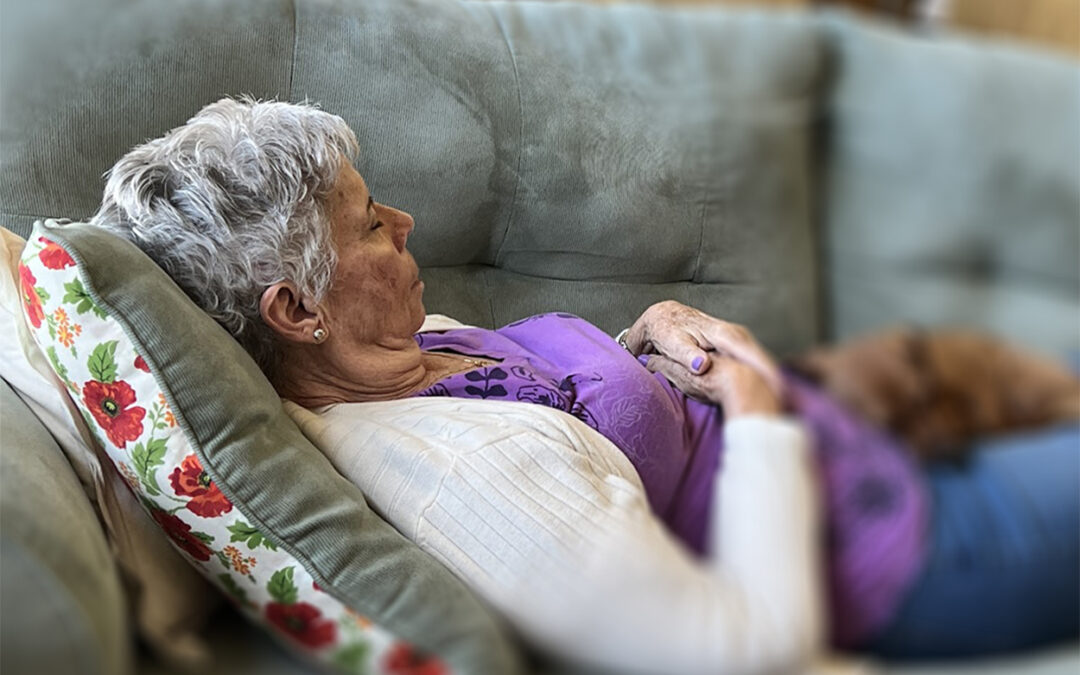
I have actually invested years strolling families through these decisions. The best evaluations are not kinds for a file, they are discussions that feel human. Here is how to approach it, action by action, with practical detail and the trade-offs I see most often.
Start with a discussion, not a checklist
Before you tally scores or call companies, talk. Ask the older adult what a great day looks like and what a tough day looks like. Listen for the parts of life they won't quit quickly, like watering plants at sunrise, church on Sundays, or reading on the exact same couch they bought with their partner. Those are the anchors you try to protect.
If the person reduces their needs, shift to specifics. Instead of "Are you handling fine?", attempt "When did you last shower, and how did it go?", "What stresses you when you climb up the stairs?", or "If I wasn't here this week, what might get missed?" Mild, concrete concerns open doors that yes-or-no questions slam shut.
When possible, include a minimum of another person who sees them regularly, maybe a next-door neighbor, adult kid, or senior caregiver. Different viewpoints fill spaces. The goal is not agreement, however a fuller picture.
The 5 domains of a comprehensive care needs assessment
Every efficient evaluation covers five domains. Consider them as layers. You may not require all 5 to make a decision today, but avoiding a layer often results in surprises later.
1. Medical status and medical complexity
Start with medical diagnoses and stability. Two people the same age with "diabetes" can have wildly different care requirements. One checks blood sugar level two times a day and strolls after supper. The other has neuropathy, vision modifications, and regular hypoglycemia. Take a look at:
- Conditions and medications, including who manages refills and whether dosages are ever missed. Pill counts and a fast scan of the cooking area or bedside table tell you more than any consumption form.
- Recent hospitalizations or emergency situation visits and why they happened. A fall with head injury is different from a urinary infection. Patterns matter.
- Mobility and balance. Timed Up and Go is an easy screen: stand, walk 3 meters, turn, return, sit. Over 12 seconds recommends greater fall threat. You do not require a stop-watch to see unsteadiness, furnishings surfing, or hesitation on turns.
- Cognitive status. Short-term memory, judgment, and ability to follow multi-step jobs. The warnings I respect many are duplicated medication errors, leaving the range on, and getting lost on familiar routes.
In-home care can handle a lot, consisting of oxygen, catheters, injury care, and hospice. Assisted living varies extensively. Some neighborhoods manage complicated needs well, others transfer out to proficient nursing at the first sign of escalation. Ask any possible provider about scope: insulin injections, sliding-scale protection, mechanical lifts, two-person assists, and memory care transitions.
2. Activities of daily living and instrumental tasks
Clinicians call them ADLs and IADLs, but think "hands-on essentials" and "life logistics." Hands-on fundamentals consist of bathing, dressing, toileting, transferring, consuming, and continence. Life logistics include cooking, cleaning, shopping, handling money, utilizing the phone, handling transportation, and medication management.
What definitely requires cueing or hands-on help, and how frequently? Bathing twice a week takes less support than daily showers. If the person only requires someone to set out clothing and advise them, that is different from helping them action in and out of the tub.
In practice, the turning points I see are bathing and medication management. When those consistently fail, risk climbs up. At home senior care in home care FootPrints Home Care can cover both with targeted hours. Assisted living constructs regular into the day, which can be a relief for chronic strugglers.
3. Home environment and safety
Some houses make home care simple. Others fight you at every turn. Walk the area as if you are the one with sore knees and a blurred left eye.
Look for tripping risks, loose carpets, narrow entrances, steep stairs without railings, dim lighting, and restrooms without grab bars. Keep in mind the bed height and whether the individual can increase from their favorite chair without a hand pull.
Small changes extend self-reliance. I have seen a $40 motion light and a $90 shower chair make more difference than a month of physical therapy. Conversely, I have actually seen a stunning, isolated farmhouse with a 200-foot snow-covered driveway turn workable requirements into emergencies every January. Be honest about your home, the environment, and the neighborhood.

4. Social fabric and daily rhythm
Loneliness is not a soft problem. It drives hospitalizations and cognitive decrease. Ask who visits, what brings joy, and how days are structured. If social life has shrunk to TV and takeout, you will either construct a brand-new regular with senior home care, day programs, faith neighborhoods, and neighbors, or you will take a look at assisted living where community is integrated.
Personality counts. Some individuals recharge in quiet. Others bloom with activity. Neither is wrong, but the option between home care and assisted living needs to appreciate character. A social butterfly in an empty house suffers. A personal soul in a busy dining-room might feel trapped.
5. Cash and stamina
Families choose to discuss anything other than money and stamina, but both drive results. Lay out the budget plan. Consist of earnings, cost savings, long-term care insurance if any, and reasonable household capability. Determine expenses over a year, not a month. It smooths over the appeal of a short-term offer and shows what you can sustain through vacations, health problems, and travel.
A typical per hour rate for a home care service ranges by region, frequently from the low twenties into the forties per hour. Assisted living can vary from a few thousand per month to over 10 thousand depending upon place and level of care. Those varieties matter less than how the math behaves gradually. Someone needing 8 hours of assistance daily will pay more for in-home care than for a fundamental assisted living apartment. Somebody who requires just 12 hours a week does better in the house. Factor in lease or home mortgage, energies, food, transport, and medications for an apples-to-apples comparison.
Family endurance matters too. A child living five minutes away who takes pleasure in caregiving is various from a boy across the country on a demanding work schedule. Be honest about burnout. I have actually seen outstanding caregivers end up being restless and ill themselves after months of broken sleep. A sustainable plan is a kinder plan.
When home care makes sense
Home care fits finest when the home can be made safe, needs are intermittent or foreseeable, and the individual values routine and familiar areas. It likewise fits people who decrease gradually. You can add gos to, change schedules, or layer services like visiting nurses, physical therapy, and meal delivery.
Many families begin with a modest schedule. A senior caregiver might come 3 early mornings a week for bathing, light housekeeping, and medication tips, while household handles errands and appointments. If evenings become harder, add a dinner visit. If roaming appears, think about over night care or a door alarm. The versatility is real. So is the responsibility to coordinate.
The strongest home care strategies I see include one part professional support, one part environmental tweaks, and one part social structure. A fall alert pendant is just helpful if the individual uses it. A pill organizer is just useful if someone checks it weekly. Senior care prospers at home when the information stick.
When assisted living is the much safer choice
Assisted living shines when requirements are day-to-day and consistent, when isolation is currently a problem, or when the home can not be made safe without significant changes. The built-in safeguard minimizes friction: meals appear on time, medications are administered, showers take place on schedule, and somebody is always neighboring if a transfer goes wrong.
Do not think of a health center. Excellent neighborhoods feel like apartment with support tucked into the joints. You will trade some personal privacy for reliability. For some, that trade opens flexibility: no more guilt about asking a next-door neighbor for help, no more awaiting a ride to the pharmacy, say goodbye to skipped showers since the tub is scary.
Still, assisted living is not one-size-fits-all. Tour at different times, especially evenings and weekends. View how staff welcome homeowners. Ask about personnel turnover and reaction times at 2 a.m. Taste the food. Sit in the common area for twenty minutes and see whether anyone welcomes you to join a game or stays glued to a screen. Culture is not on the brochure, but it makes or breaks the move.
An easy method to structure your assessment notes
You do not require a main form, however structure assists. Write one page with 5 headings: Medical, Daily Living, Home, Social, Finances. Under each, 2 or 3 sentences record today truth and any notable threats. Add a last section labeled Warning and Next Actions. If you need to share with brother or sisters or a doctor, you will be grateful for the clarity.
Here is an example, adjusted from a family I worked with last winter. The father, 84, wished to remain in his bungalow. He had mild cognitive disability, Type 2 diabetes, and unstable gait after a small stroke. His daughter lived twenty minutes away.
Medical: 2 health center visits in the previous year for falls. A1c steady, but he forgets breakfast insulin one or two early mornings a week. Uses a walking cane, unwilling with the walker.
Daily Living: Manages dressing and toileting. Showers less than when a week since the tub frightens him. Misses medication dosages unless reminded.
Home: One-story house, two actions at the entry without a hand rails. Loose carpets in the corridor. No grab bars.
Social: Widowed. Watches baseball, talks with next-door neighbor on Thursdays, no regular outings.
Finances: Cost savings cover roughly 3 years at moderate assisted living. Home is paid off. Child can visit two times weekly, limited nights.
Red Flags: Falls, missed out on insulin, shower avoidance. Next Actions: Install grab bars and a hand rails, eliminate carpets, order a shower chair, begin a home care service three early mornings a week for bathing and meds, add a weekly social outing, reassess in 6 weeks. If falls continue or insulin stays irregular, tour assisted living with memory care.

They followed the plan, and it bought 9 solid months in the house. When he eventually moved, it was on their timetable, without a crisis.
Comparing costs and control without spinning spreadsheets
Families typically request for a cool cost contrast, however the ideal contrast is not simply dollars. It is dollars plus control. At home, you pay per hour and keep full control over routines, meals, and visitors. In assisted living, you pay a package price and accept the structure's rhythm.
If you choose control and can afford tailored hours, senior home care feels right. If you prefer predictability and fewer moving parts, assisted living brings relief. Think about who likes to handle vendors, schedules, and backups when a caretaker calls in ill. Some families like coordinating. Others desire one call for anything that goes wrong.
One useful idea: ask home care firms for a sample schedule lined up with your objectives. Ask assisted living communities for a sample service strategy with level-of-care charges spelled out. Hidden expenses tend to hide in the "care level" add-ons. A base rate of 4,500 a month may reach 6,500 with medication management, incontinence care, and transfer assistance.
Dealing with disagreement in the family
Not all brother or sisters see the exact same parent. The one who gets the midnight calls has a various perspective from the one who goes to on holidays. Start by settling on the facts you can determine: weight loss or gain, medication mistakes, falls, home risks, bills paid late. Then talk worths. Would your moms and dad prioritize staying home with some risk, or security with less autonomy? Numerous older grownups choose risk. Your job is to make that danger as smart as possible.
If conflict stalls progress, use a neutral 3rd party. A geriatric care manager, often called an aging life care expert, can examine and suggest without household history clouding the image. A one-time consultation often spends for itself by preventing a poor fit.
How to test-drive the options
Permanent decisions feel lighter when you try them on. Numerous home care agencies enable short-term or trial schedules. Start with two weeks concentrated on the highest-risk tasks, like bathing and medications. See how your loved one responds to a senior caretaker. Adjust.
Assisted living neighborhoods typically use respite remains varying from a weekend to a month. This is not just a bed. It is an opportunity to see if the social rhythms soothe or upset, whether meals are pleasurable, and how staff respond when your loved one relocations gradually or asks the very same concern two times. Request for a room near the dining-room to lessen long strolls throughout the trial. Bring preferred blankets, photos, and the exact same toiletries they utilize in your home to reduce friction.
Red flags that require a faster timeline
Some moments close the window for sluggish consideration. If any of these appear, accelerate your plan and raise guidance quickly:
- A second fall within a month, especially with head impact or brand-new worry of walking.
- Medication mismanagement that leads to hypoglycemia, unrestrained blood pressure, or confusion.
- Wandering outside, getting lost in a familiar community, or leaving doors open at night.
- Significant weight-loss over a few months or signs of dehydration.
- Caregiver exhaustion, such as falling asleep while providing care or missing out on work repeatedly.
You can still select home care or assisted living, but you reduce the trial phases and add short-lived coverage while you decide. A week of 24-hour home care can support a rough spot and avoid hospitalization while you arrange long-lasting support.
Finding and vetting suppliers without spinning your wheels
Most families begin online and feel overloaded within an hour. Narrow quick. Ask your primary care office, local medical facility social employees, and pals for 2 or 3 trusted home care companies and 2 or 3 assisted living communities. Then call them with a short script concentrated on your specific needs. The very best agencies and communities can respond to plain questions plainly.
Visit your house or community a minimum of two times at various times. For home care, demand the exact same caregiver for the trial duration, and ask about backup protection. For assisted living, ask to observe a medication pass and a meal, and demand a copy of the resident rights document. Read it. It tells you how the community sees its obligations.
Check state inspection reports where readily available. They are imperfect pictures, but major patterns show up. For home care, ask if the firm utilizes or contracts caretakers, whether they bring employees' compensation, and who supervises quality. For both, trust your gut. If staff seem hurried, if calls take days to return, if answers feel slippery, they probably are.
Planning for change from the start
The only continuous in elder care is modification. Build that into your strategy. If you pick home care, set a reassessment date, possibly in six or 8 weeks, and define thresholds that would trigger more hours or a move. If you select assisted living, ask about transitions to greater care levels and whether you would have to alter structures if memory care becomes necessary.
Document the plan in writing, even if it is just an e-mail to family: present needs, who does what, when to reassess, what would trigger modification. Review it. What felt right in spring might strain by winter season when stairs feel steeper and daytime shrinks.
Small information that make big differences
The quality of senior care frequently lives in information outsiders miss. Establish medication boxes by time of day with big print labels. Put a contrasting strip of tape on the edge of each stair. Move the coffee maker next to the sink to reduce bring hot liquids. Place a motion light in the hallway in between bed room and restroom. Set basic objectives with the caretaker: shower by 10 a.m., walk after lunch, call the grand son on Wednesday afternoons. Each little success builds confidence.
For assisted living, bring personal products that signify home, not simply decorations. The very same bedspread, the preferred lamp that tosses a warm pool of light at sunset, the picture wall at eye level. Visit at different times during the very first month and participate in at least one activity together. Present your loved one by name and a little story to personnel, not just as "new resident." These touches smooth the edges of change.
A realistic decision course you can follow this month
Here is a straightforward course lots of households can follow over 3 to 4 weeks without drowning in research or indecision:
- Week 1: Write your one-page assessment. Remove obvious home threats. Arrange primary care and, if required, a physical treatment balance examination. Call two home care companies and 2 assisted living neighborhoods to talk about fit.
- Week 2: Start a trial of in-home care focused on highest-risk jobs. Install grab bars and any suggested devices. Observe and take notes. On the other hand, tour two communities at various times and demand a respite stay option.
- Week 3: Review what is working. If home care supports things and your loved one seems content, extend and set a reassessment date. If issues continue or isolation worsens, schedule a brief respite in the best-fit assisted living to evaluate the waters.
- Week 4: Choose based on lived experience, not fear or sales pitches. Put the picked strategy in writing with particular next steps and who owns them.
This is the only list in the article and it stays short by style. The genuine work occurs in the discussions and the observations between these steps.
Final idea: match the plan to the individual, not the label
The labels are neat, the lives are not. Home care and assisted living are tools, not identities. A happy veteran who desires his porch, a retired instructor who illuminate at book club, a gardener who needs to see her azaleas bloom this spring, each requires a tailored strategy. Often the ideal answer is senior home care that keeps somebody safe in familiar spaces. Often it is a move that trades a driveway loaded with ice for a dining-room filled with neighbors. Sometimes it is a hybrid, with in-home care today and a date to reassess after the vacations, when everyone has a clearer head.
Conduct your care needs assessment with interest and regard. Compose what you see, not what you want. Usage numbers where they assist, and stories where they matter. Then pick the choice that supports the person you love, not simply the issue you fear. If you do that, you will sleep much better, and they will live better, any place they lay their head.
FootPrints Home Care is a Home Care Agency
FootPrints Home Care provides In-Home Care Services
FootPrints Home Care serves Seniors and Adults Requiring Assistance
FootPrints Home Care offers Companionship Care
FootPrints Home Care offers Personal Care Support
FootPrints Home Care provides In-Home Alzheimer’s and Dementia Care
FootPrints Home Care focuses on Maintaining Client Independence at Home
FootPrints Home Care employs Professional Caregivers
FootPrints Home Care operates in Albuquerque, NM
FootPrints Home Care prioritizes Customized Care Plans for Each Client
FootPrints Home Care provides 24-Hour In-Home Support
FootPrints Home Care assists with Activities of Daily Living (ADLs)
FootPrints Home Care supports Medication Reminders and Monitoring
FootPrints Home Care delivers Respite Care for Family Caregivers
FootPrints Home Care ensures Safety and Comfort Within the Home
FootPrints Home Care coordinates with Family Members and Healthcare Providers
FootPrints Home Care offers Housekeeping and Homemaker Services
FootPrints Home Care specializes in Non-Medical Care for Aging Adults
FootPrints Home Care maintains Flexible Scheduling and Care Plan Options
FootPrints Home Care is guided by Faith-Based Principles of Compassion and Service
FootPrints Home Care has a phone number of (505) 828-3918
FootPrints Home Care has an address of 4811 Hardware Dr NE d1, Albuquerque, NM 87109
FootPrints Home Care has a website https://footprintshomecare.com/
FootPrints Home Care has Google Maps listing https://maps.app.goo.gl/QobiEduAt9WFiA4e6
FootPrints Home Care has Facebook page https://www.facebook.com/FootPrintsHomeCare/
FootPrints Home Care has Instagram https://www.instagram.com/footprintshomecare/
FootPrints Home Care has LinkedIn https://www.linkedin.com/company/footprints-home-care
FootPrints Home Care won Top Work Places 2023-2024
FootPrints Home Care earned Best of Home Care 2025
FootPrints Home Care won Best Places to Work 2019
People Also Ask about FootPrints Home Care
What services does FootPrints Home Care provide?
FootPrints Home Care offers non-medical, in-home support for seniors and adults who wish to remain independent at home. Services include companionship, personal care, mobility assistance, housekeeping, meal preparation, respite care, dementia care, and help with activities of daily living (ADLs). Care plans are personalized to match each client’s needs, preferences, and daily routines.
How does FootPrints Home Care create personalized care plans?
Each care plan begins with a free in-home assessment, where FootPrints Home Care evaluates the client’s physical needs, home environment, routines, and family goals. From there, a customized plan is created covering daily tasks, safety considerations, caregiver scheduling, and long-term wellness needs. Plans are reviewed regularly and adjusted as care needs change.
Are your caregivers trained and background-checked?
Yes. All FootPrints Home Care caregivers undergo extensive background checks, reference verification, and professional screening before being hired. Caregivers are trained in senior support, dementia care techniques, communication, safety practices, and hands-on care. Ongoing training ensures that clients receive safe, compassionate, and professional support.
Can FootPrints Home Care provide care for clients with Alzheimer’s or dementia?
Absolutely. FootPrints Home Care offers specialized Alzheimer’s and dementia care designed to support cognitive changes, reduce anxiety, maintain routines, and create a safe home environment. Caregivers are trained in memory-care best practices, redirection techniques, communication strategies, and behavior support.
What areas does FootPrints Home Care serve?
FootPrints Home Care proudly serves Albuquerque New Mexico and surrounding communities, offering dependable, local in-home care to seniors and adults in need of extra daily support. If you’re unsure whether your home is within the service area, FootPrints Home Care can confirm coverage and help arrange the right care solution.
Where is FootPrints Home Care located?
FootPrints Home Care is conveniently located at 4811 Hardware Dr NE d1, Albuquerque, NM 87109. You can easily find directions on Google Maps or call at (505) 828-3918 24-hoursa day, Monday through Sunday
How can I contact FootPrints Home Care?
You can contact FootPrints Home Care by phone at: (505) 828-3918, visit their website at https://footprintshomecare.com, or connect on social media via Facebook, Instagram & LinkedIn
A ride on the Sandia Peak Tramway or a scenic drive into the Sandia Mountains can be a refreshing, accessible outdoor adventure for seniors receiving care at home.